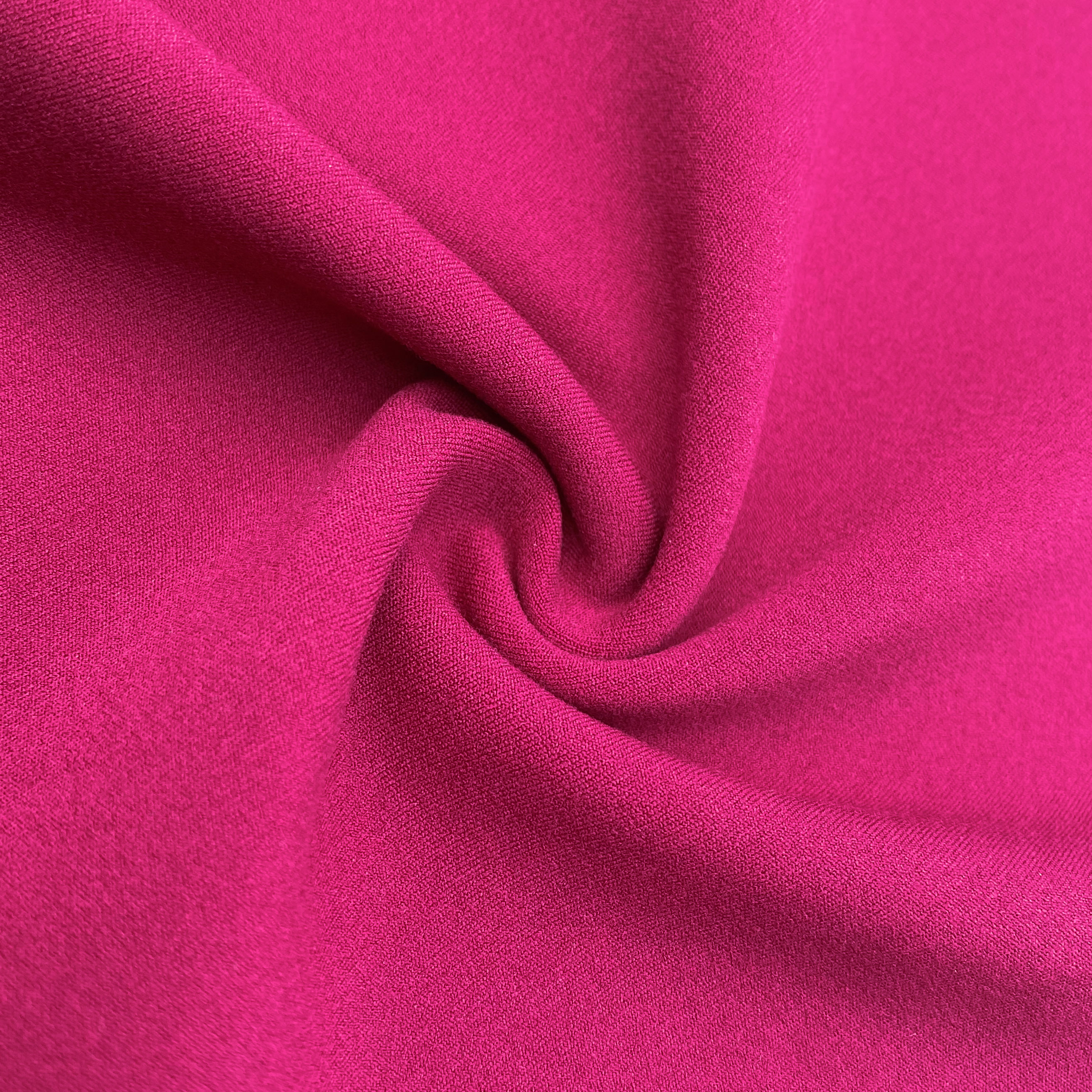
Pembe Çİzgİlİ KumaŞ HT824
Havalı olmak istiyorsanız bu kaliteli kumaş tam size göre. Naylon spandeks, solmayan, yüksek renk haslığı ve pü
Ayrıntılara bakın
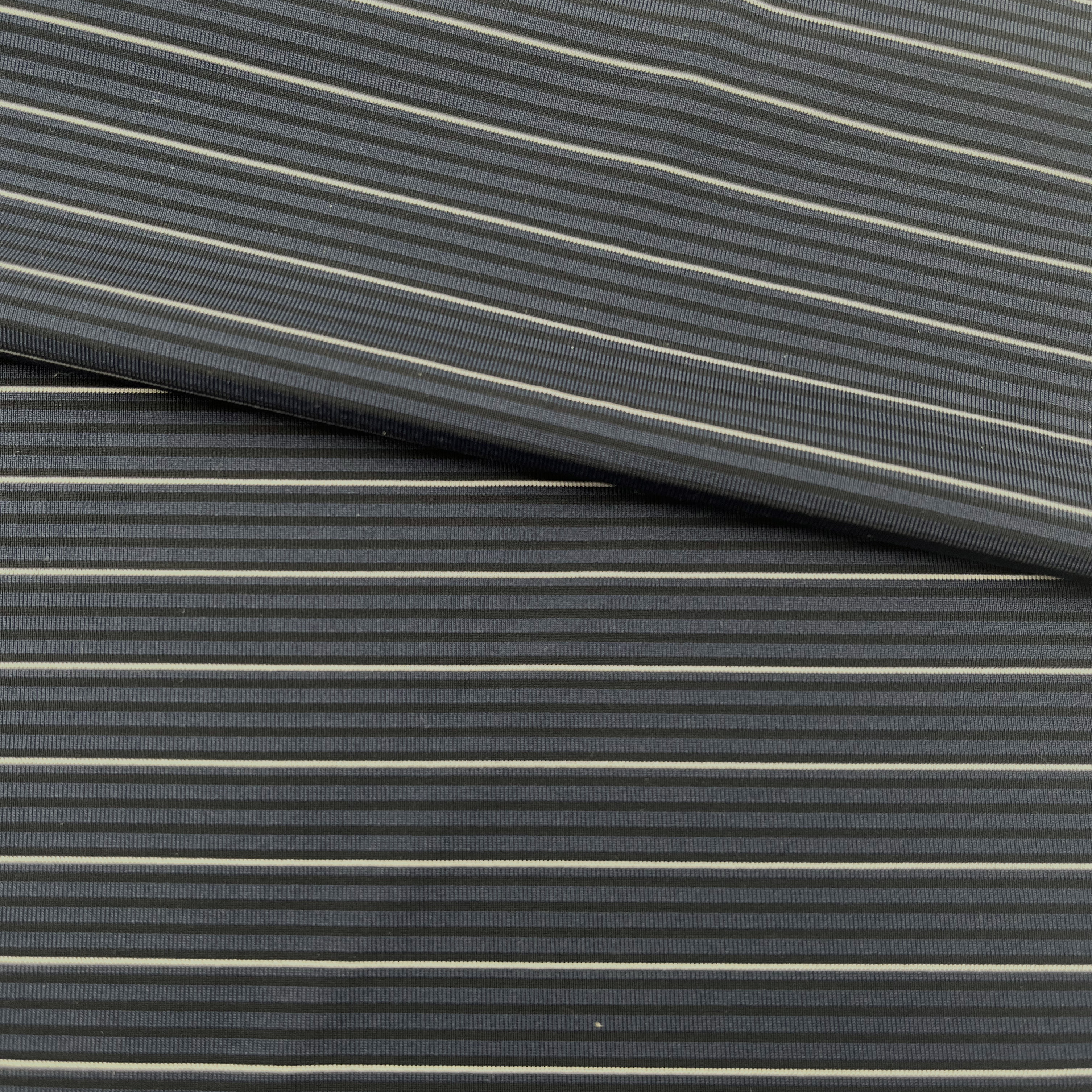 % 72 Naylon% 5% Poli% 23 Spandex, Ağırlık 175 GSM genişliği 154 cm atkı tek jersey kumaş ht1635
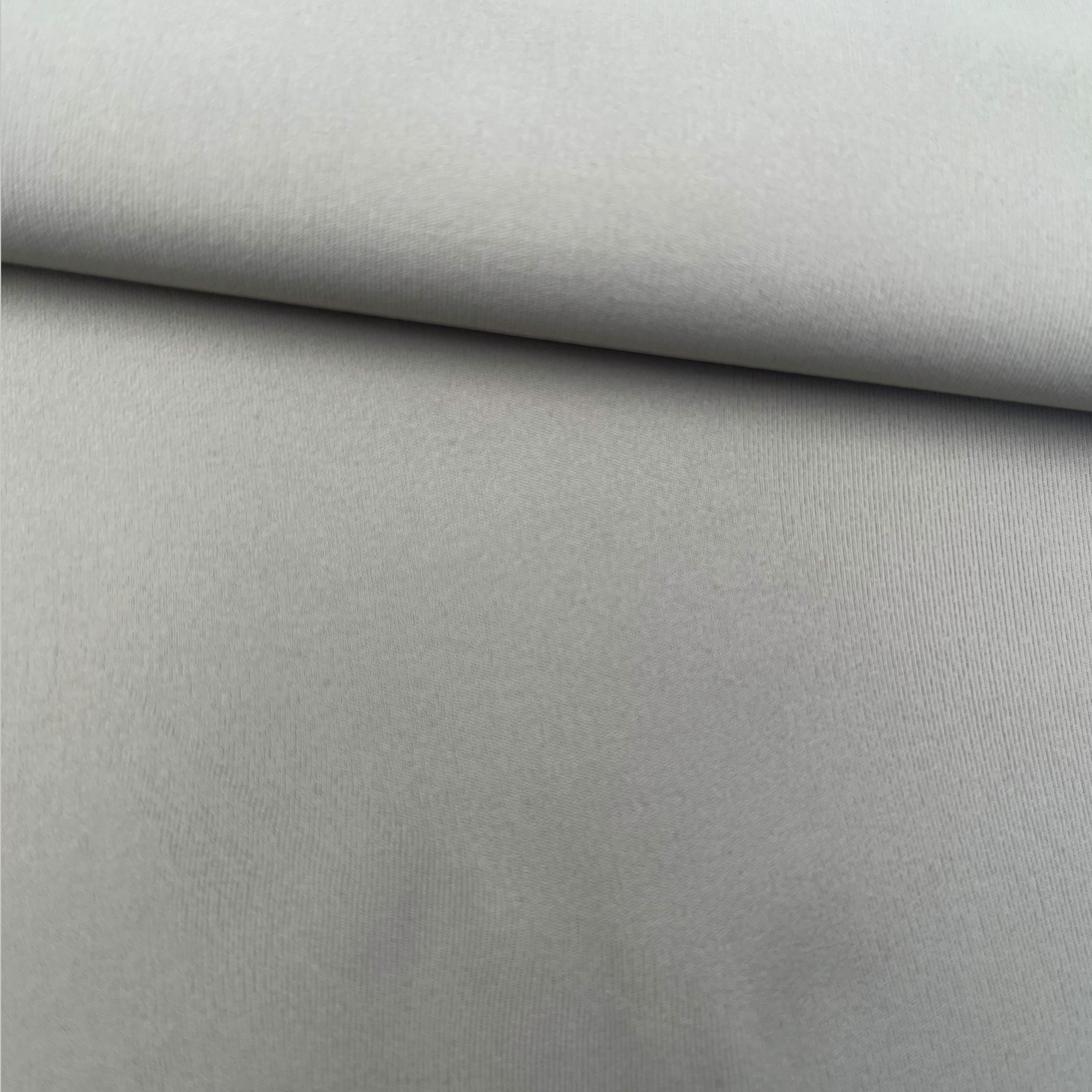 % 73 Naylon% 27 SPANDEX, Ağırlık 220 GSM genişliği 156 cm Khaki Katı Atkı Kilit Kumaşı HT1645
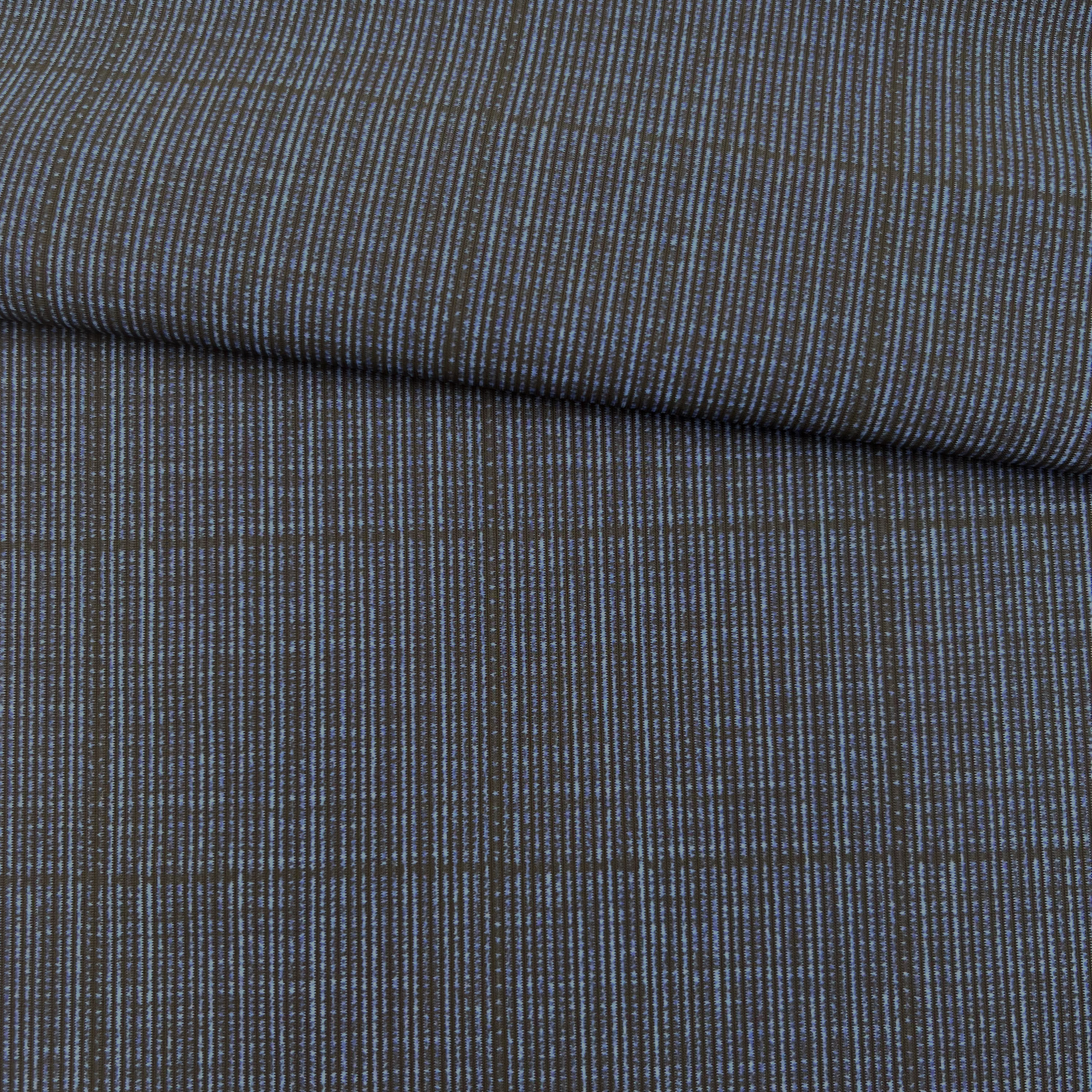 % 42 poli 38% naylon% 20 spandeks 155 gsm 150 cm genişlik mavi siyah sargı örgü kumaş KF000598
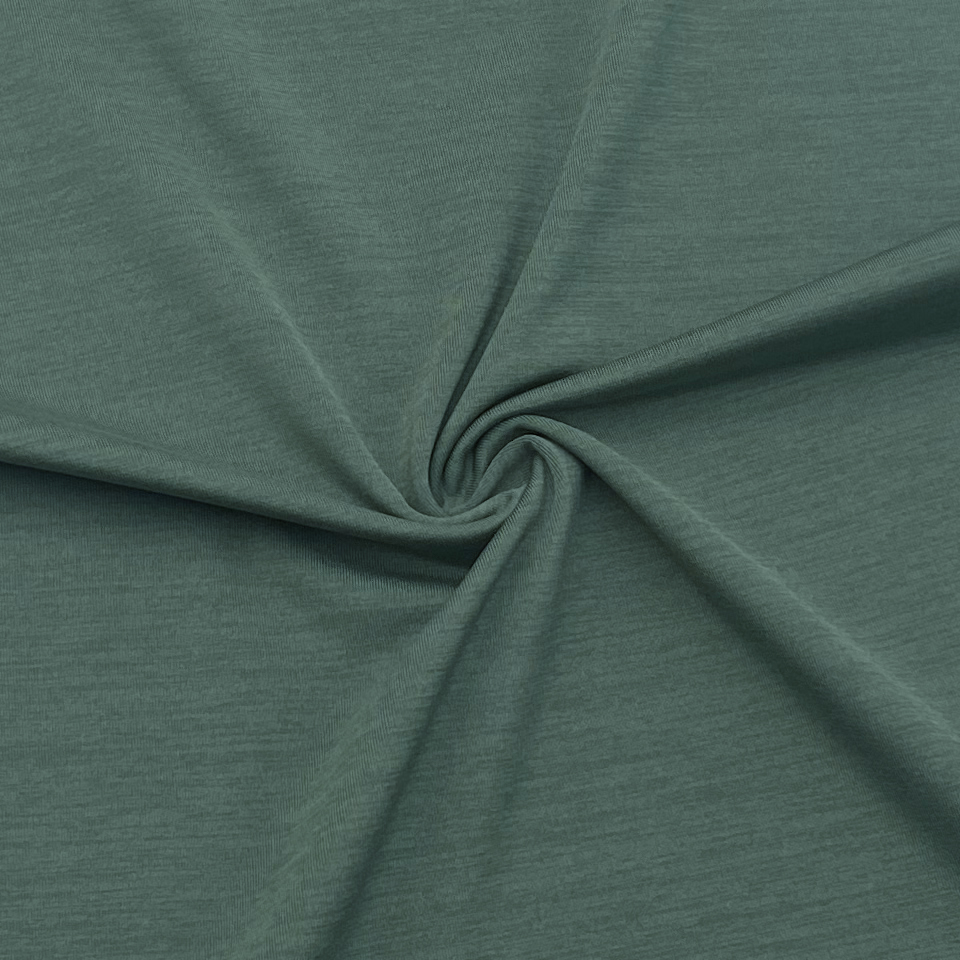
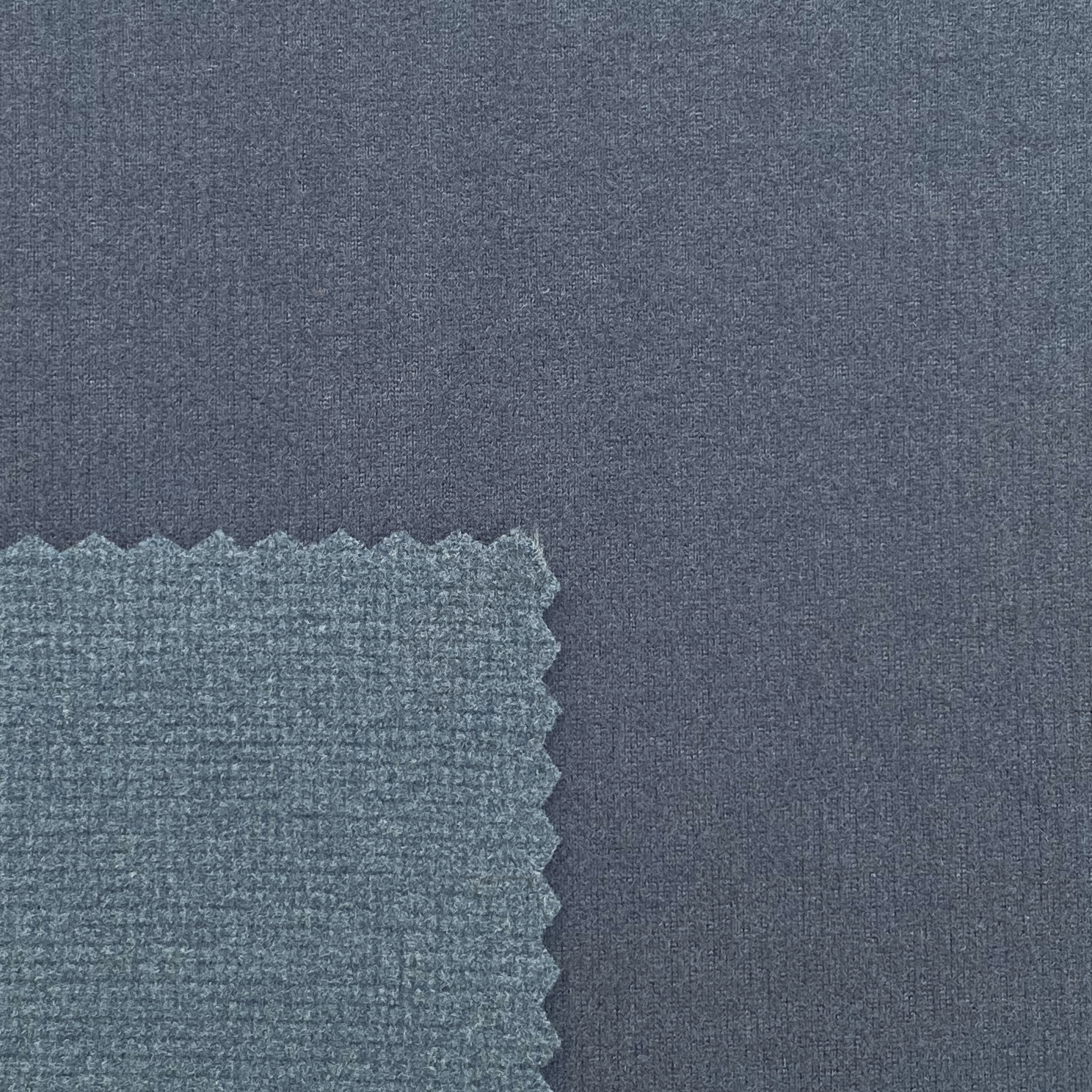
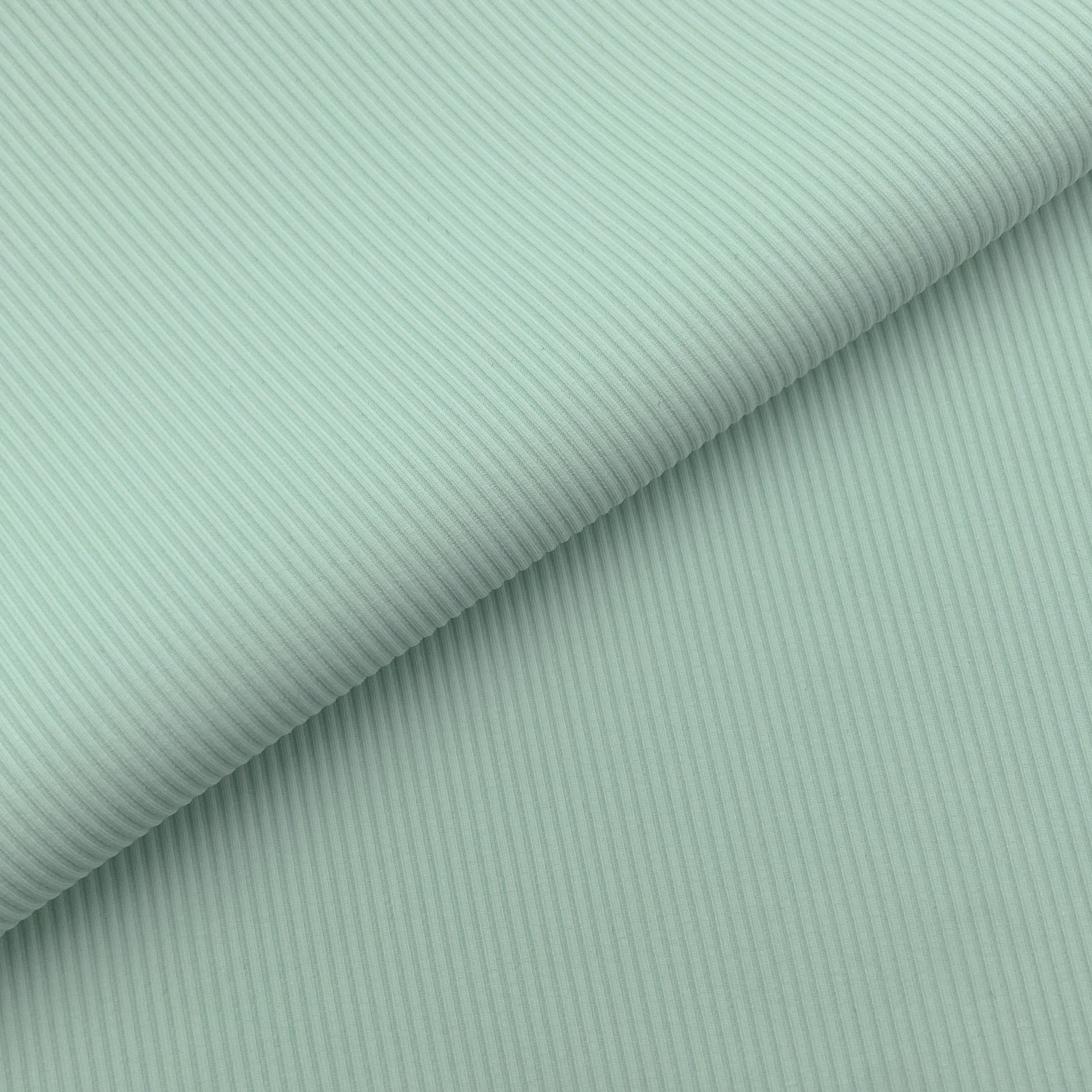
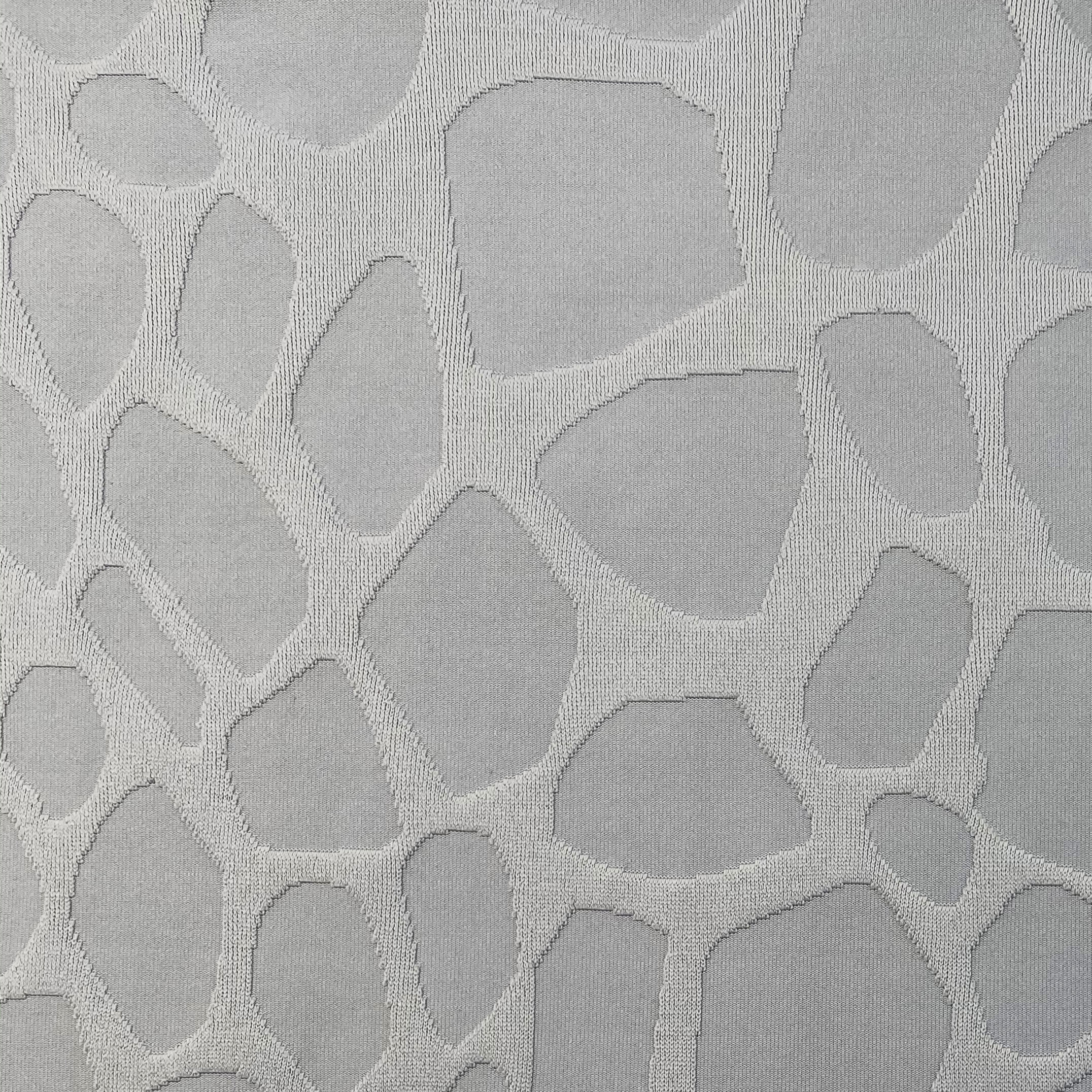
Jarse Kumaş, Örme Kumaş ve Interlok Kumaş, giysi, yatak takımı ve diğer ev eşyalarını yapmak için yaygın olarak kullanılan tüm tekstil türleridir. Yumuşaklıkları, gerilebilirlikleri ve dayanıklılıkları ile bilinirler ve bu da onları tüketiciler arasında popüler bir seçim haline getirir. Jarse Kumaş, yün, pamuk gibi doğal liflerden veya polyester veya spandeks gibi sentetik liflerden yapılan bir örgü kumaştır. Pürüzsüz, esnek yüzeyi ve nervürlü kenarları ile karakterizedir. Jarse Kumaş genellikle esnek ve rahat bir uyum gerektiren tişörtler, elbiseler ve diğer giysiler yapmak için kullanılır. Yumuşaklığı ve nefes alabilirliği nedeniyle çarşaf ve yastık kılıfı yapımında da popüler bir seçimdir. Öte yandan Örme Kumaş, iplik veya ipliklerin birbirine geçmesiyle yapılan bir kumaş türüdür. Esnek ve esnek doğası ile karakterize edilir, bu da onu giyim ve diğer giysiler yapmak için popüler bir seçim haline getirir. Örgü Kumaş, yün, pamuk ve polyester ve spandeks gibi sentetik lifler dahil olmak üzere çeşitli malzemelerden yapılır. Rahat ve esnek bir uyum gerektiren tişörtler, kazaklar ve diğer giyim eşyalarını yapmak için sıklıkla kullanılır.
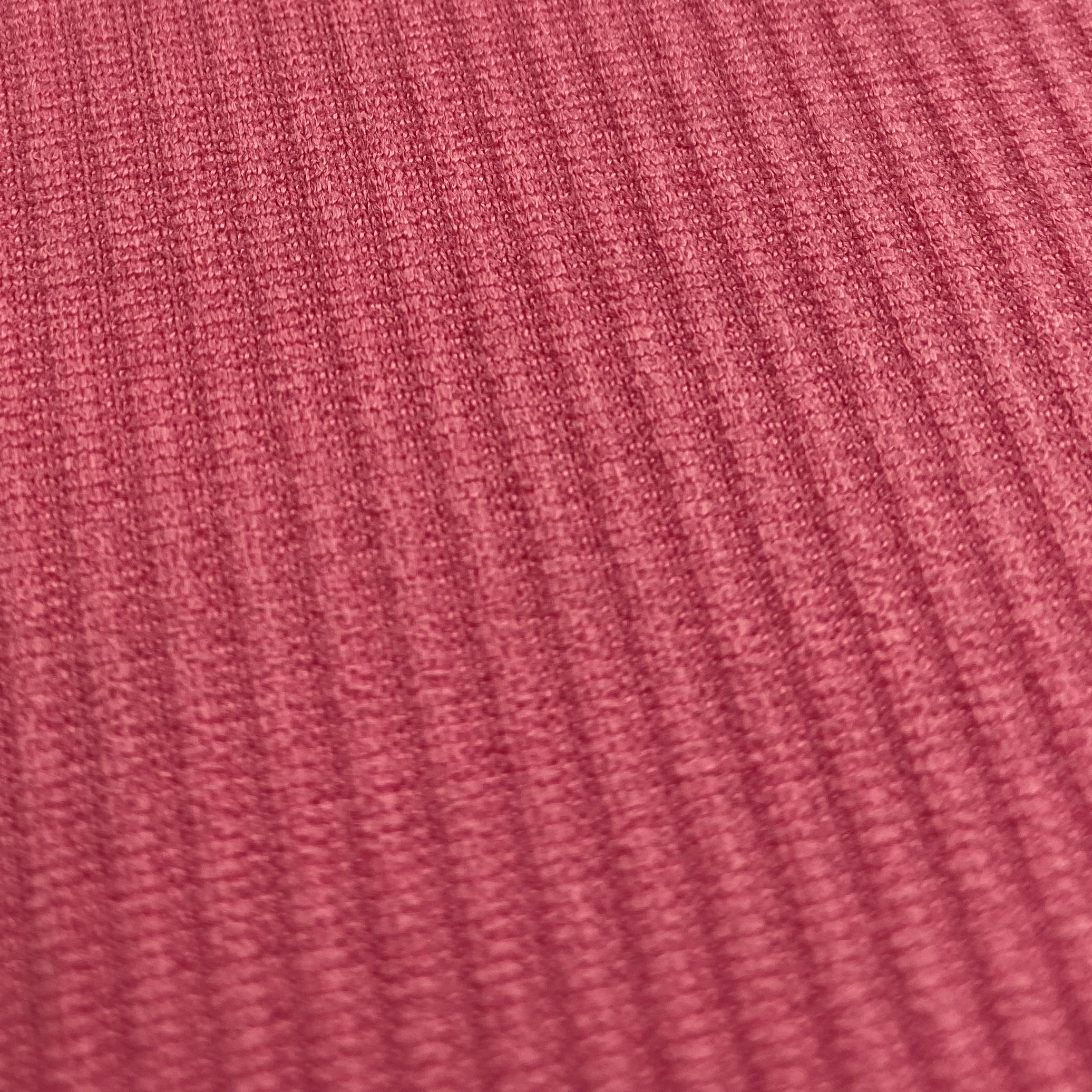
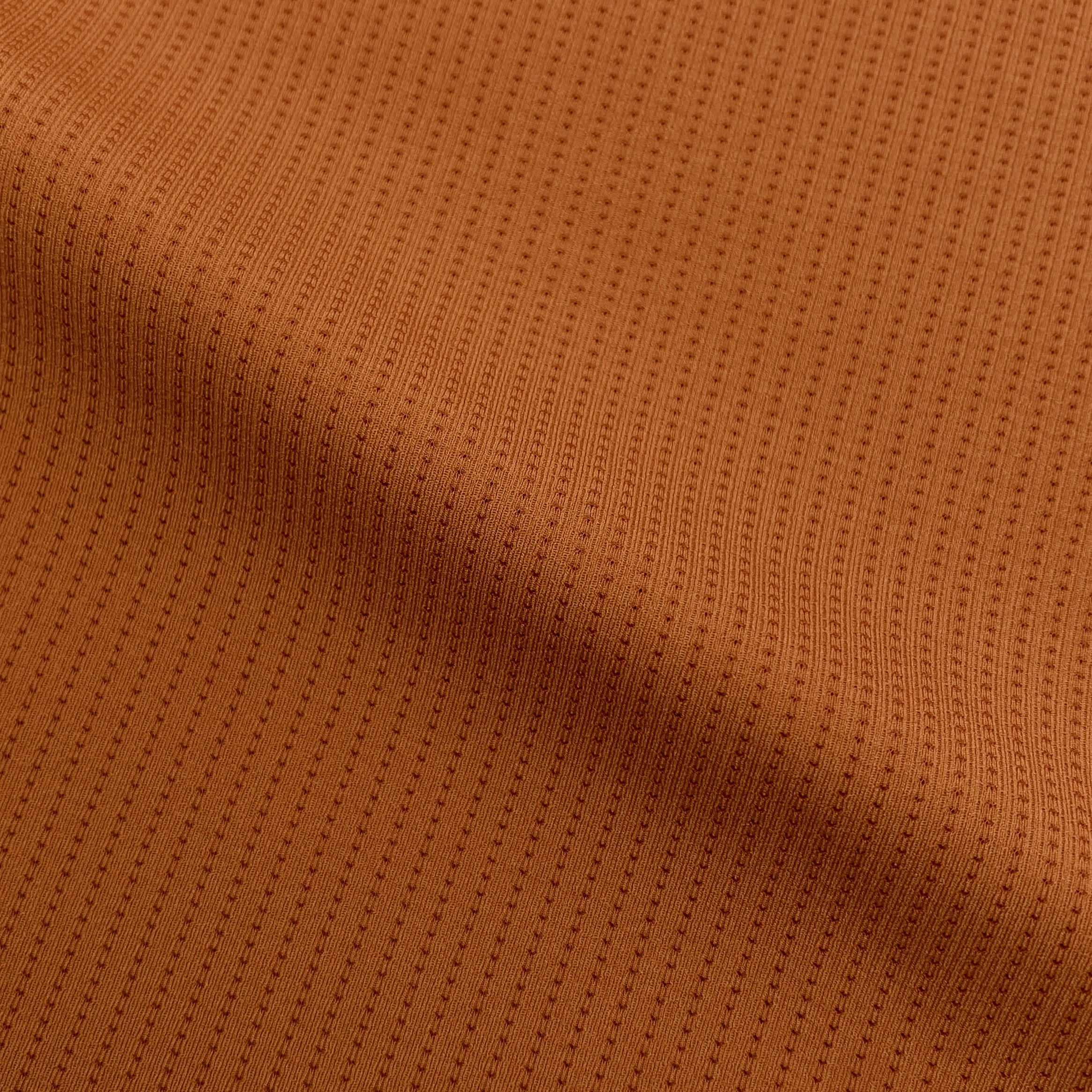
KF000161

Ht1314

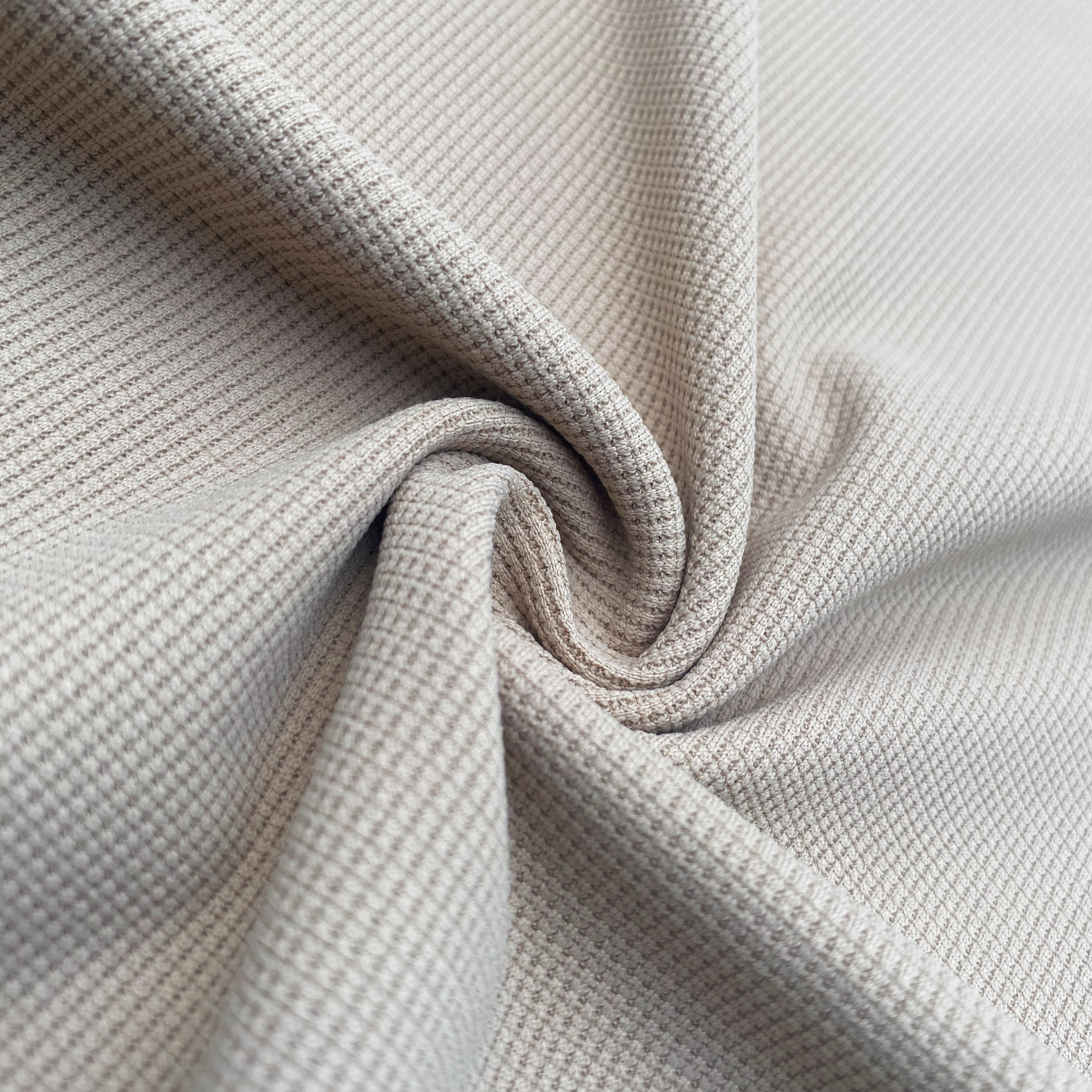
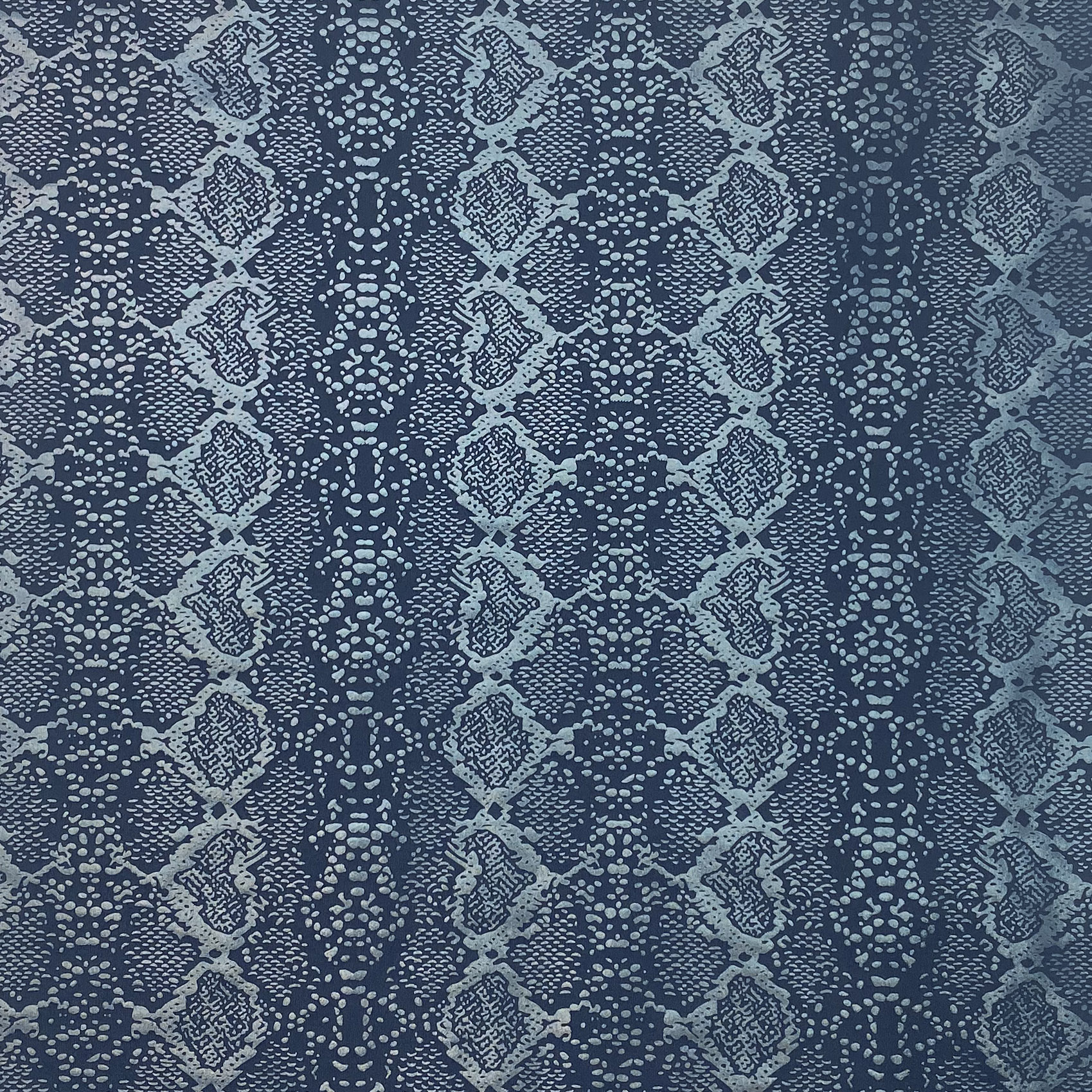
HT1312

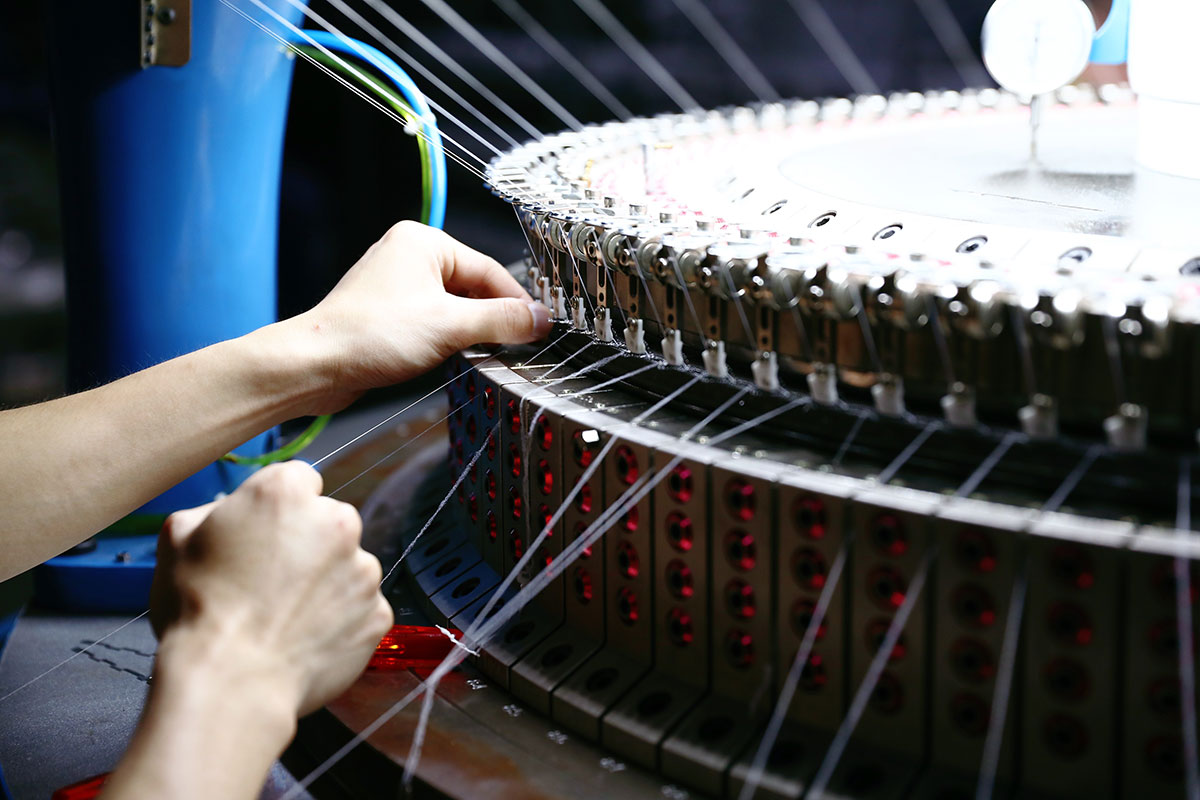
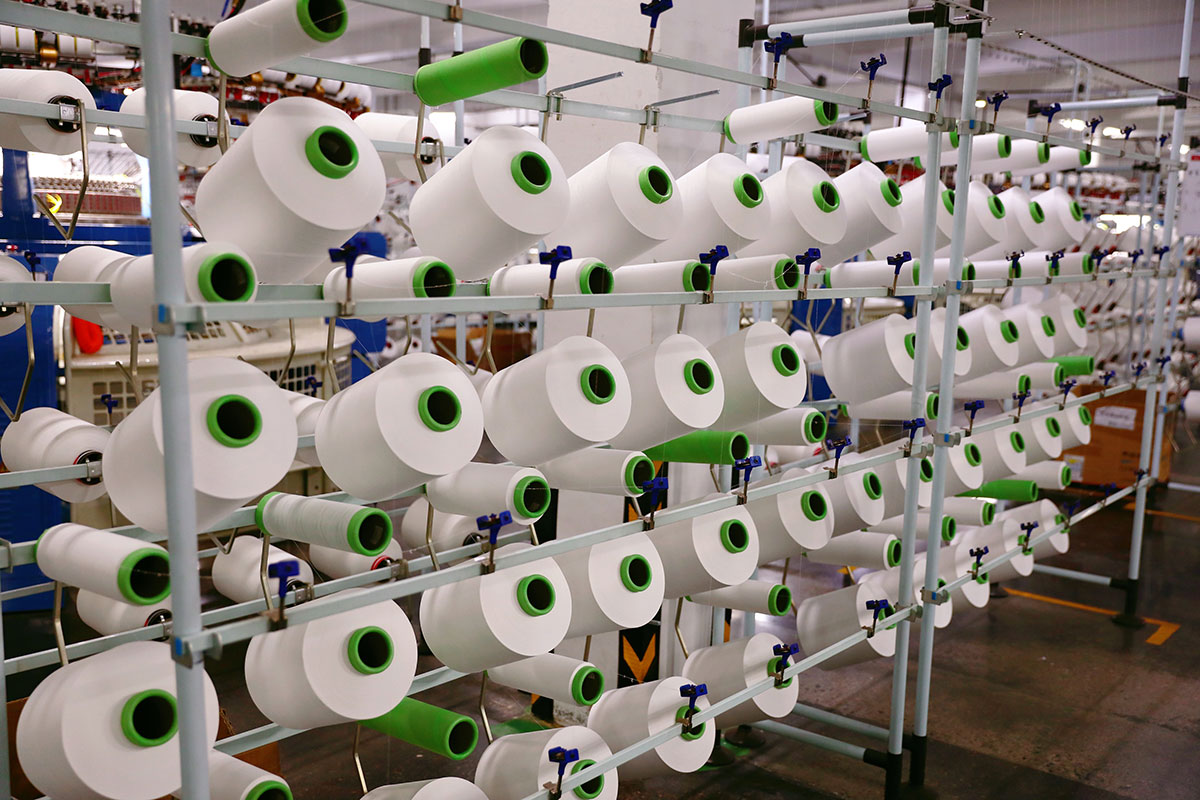
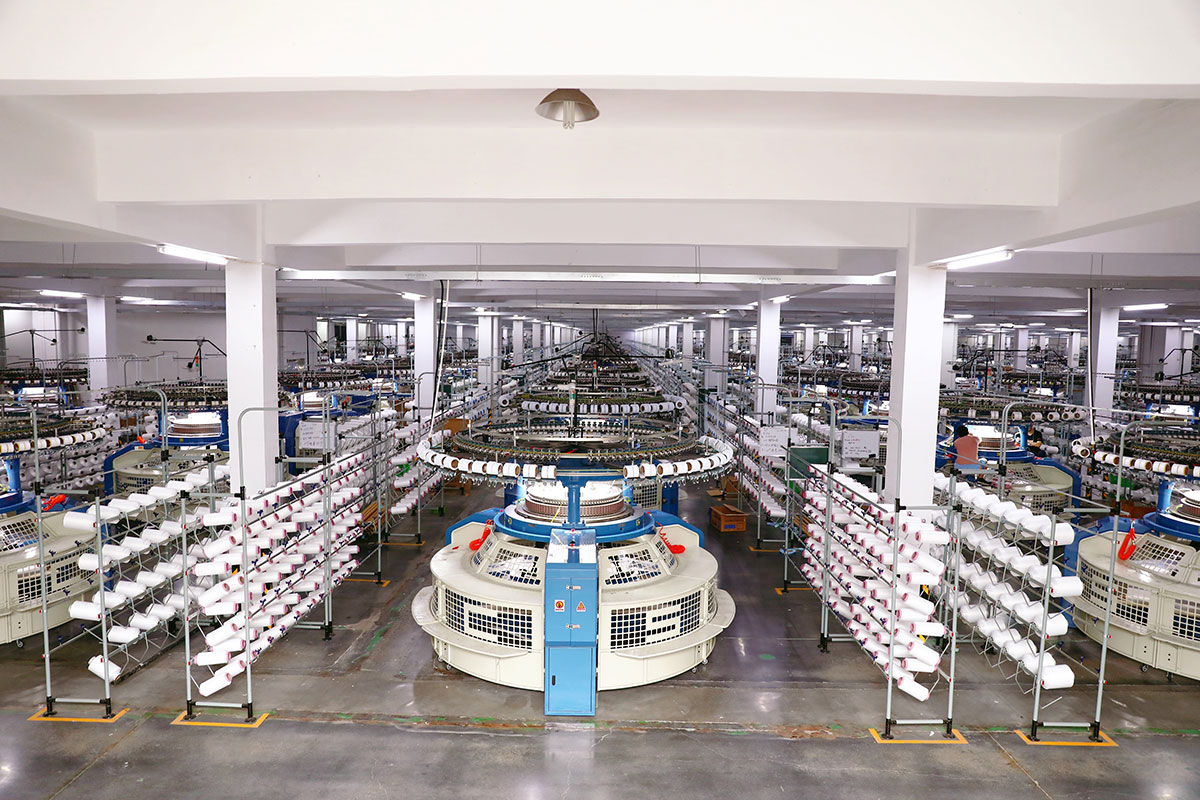
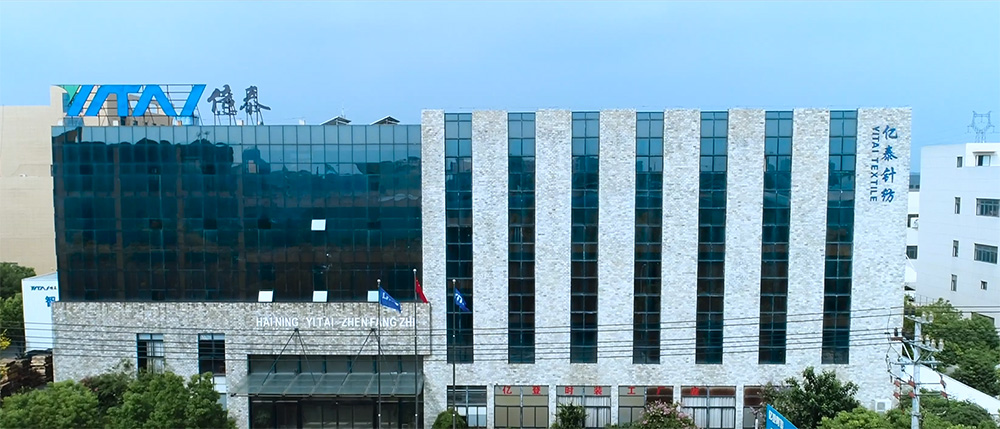
Haining Yitai Knitting Co., Ltd ünlüdür Çin Toplamak üretici firma Ve Toplamak fabrika. Artık daha düşük işçilik maliyetleri, daha yüksek çıktı ve daha ucuz fiyatlar peşinde koşmak yerine, daha yüksek kalite ve daha iyi destek hizmetine odaklanıyoruz. 15 yıllık geliştirme sürecinin ardından mükemmel bir Ar-Ge grubu, pazarlama ekibi, kalite kontrol sistemi, deneyimli boyama ve terbiye destek tesisi ve müşteri hizmetleri sistemi kurduk. Özellik: Su geçirmez, Nefes Alabilir, Rahat Esneme, Sıcak Tutma, Terleme Deneyimi Yok, Anti-statik, anti-bakteriyel koku giderme etkili toz oluşumu. teklif Toplamak fabrikamız ile.
20
2026.03Gelişmiş Yoga Kumaş Teknolojisi: Dikişsiz, Antibakteriyel ve FI...
Yoga Stillerine Göre En Uygun Kumaş Teknolojisi Nasıl Seçilir? Farklı yoga stillerinin ter üretimi, vücut sıcaklığı dalgalanmaları ve hareket aralığı dahil olmak üzere vücut üzerinde değişen fizyolojik etkileri ...20
2026.03Yoga Kumaşı Seçimi: GSM Ağırlığı ve Spandeks Esnekliği Kılavuzu
Egzersiz Yoğunluğuna Göre Yoga Kumaşının Ağırlığı ve Esnekliği Nasıl Seçilir? Yoga kumaşlarını seçerken, Spveeks içeriği (esnekliği ve sıkıştırmayı belirleyen) ve Kumaş Ağırlığı (kalınlığı ve deste...20
2026.03Yüksek Performanslı Yoga Kumaş Kılavuzu: Bileşenler, Kalite Tes...
Yoga Kumaşlarının Ana Bileşenleri ve Performansa Etkileri Sağlanan kaynaklara göre, yüksek kaliteli yoga örgü kumaşlarının ana bileşenleri tipik olarak şunları içerir: polyester , Spveeks ve Na...Jersey fabric, knit fabric, and interlock fabric are all widely used in the textile industry and offer unique characteristics and applications. Understanding the differences between these fabrics can help you make informed decisions when choosing the right material for your specific needs.
Jersey fabric is a type of knit fabric known for its lightweight and comfortable nature. It is typically made from a combination of natural and synthetic fibers, such as cotton, polyester, or rayon. One of the distinctive features of jersey fabric is its ability to stretch in both width and length. This fabric has a smooth and flat surface on the right side, while the wrong side has a slight vertical rib appearance. Jersey fabric is commonly used in t-shirts, dresses, activewear, and other garments that require a good amount of drape and stretch.
Knit fabric refers to a broad category of fabrics that are produced by interlocking a series of loops. It can be made from various materials, including cotton, wool, polyester, or a blend of fibers. Knit fabrics are known for their stretchiness, flexibility, and excellent draping qualities. They are comfortable to wear and allow freedom of movement. Knit fabrics come in different variations, such as single jersey, double knit, rib knit, or jacquard knit, each offering unique textures and appearances. This fabric type is commonly used in sweaters, socks, sportswear, and various other applications where stretch and comfort are desired.
Interlock Fabric:
Interlock fabric is a type of double-knit fabric with a smooth and luxurious feel. It is constructed with two sets of warp yarns and two sets of weft yarns that create a double-layered, reversible fabric. Interlock fabric is thicker and more stable compared to jersey fabric, making it less prone to curling at the edges. It has a similar appearance on both sides and offers excellent stretch and recovery properties. Due to its stability and durability, interlock fabric is often used for activewear, baby clothing, casual wear, and other applications that require a fabric with good recovery and shape retention.
In summary, while all three fabrics (Jersey, Knit, and Interlock) fall under the broader category of knit fabrics, they differ in terms of stretch, weight, appearance, and application. Jersey fabric is lightweight and highly stretchable, knit fabric offers versatility and stretch, and interlock fabric provides stability and durability. Choosing the right fabric will depend on factors such as desired stretch, weight, drape, and intended use of the final product.

Yitai olarak 2004 yılından bu yana interlok kumaş, jarse kumaş, naylon kumaş, spandex kumaş, polyester kumaş vb. Örme spor giyim kumaşları üretmekteyiz. Mükemmel Ar-Ge grubu, pazarlama ekibi, kalite kontrol sistemi, deneyimli boyama & terbiye destek tesisi ve müşterisi ile servis sistemi.
Haining Yitai Örgü Co, Ltd
198 Canghai Road, Warp Knitting Zone, Haining City, Zhejiang, 314419, Çin Tel: +0086 198 4426 7532 E-posta: [email protected] [email protected]BİZİ TAKİP EDİN